Latest courses here: https://psychedelist.com/treat/entheogenic-therapy
Although associated with expansion of consciousness and the exploration of the mind, psychedelic therapy is primarily for individuals suffering from mental health disorders such as depression, anxiety, PTSD, and substance use disorders, especially when traditional treatments have not been effective. Psychedelic therapy is also for those people who need to talk to someone about challenging experiences they may have had related to the use of psychedelic medicines. Our setting is a relaxed, friendly but controlled therapeutic setting with trained and experienced professionals to ensure safety and support during the experience.
Who is Psychedelic Therapy for?
Psychedelic therapy is particularly beneficial for those who have not found relief through traditional treatment methods.
Key Conditions Treated
- Post-Traumatic Stress Disorder (PTSD): Many individuals with PTSD have shown significant improvement through psychedelic-assisted therapy.
- Depression: Patients suffering from major depressive disorder may experience rapid and sustained relief from symptoms.
- Anxiety Disorders: Psychedelic therapy can help those dealing with anxiety, especially when conventional treatments have failed.
- Substance Use Disorders: This therapy also has potential to assist individuals struggling with addiction.
- End-of-life crisis: Many patients of long-term and terminal illnesses and conditions find relief from psychedelic-assisted therapy.
Therapeutic Environment
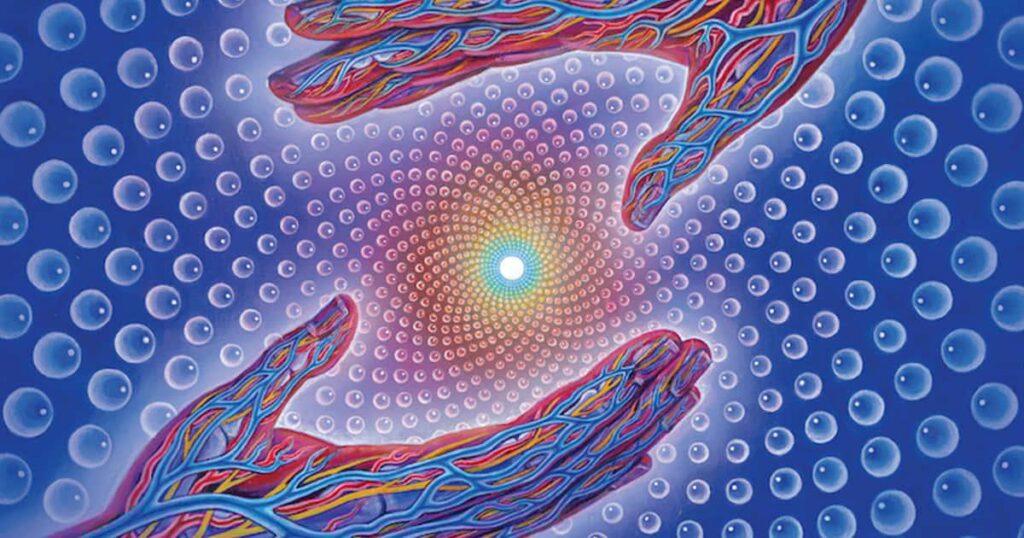
Our psychedelic therapy is conducted in a safe, contained setting with experienced practitioners. The space is clean, warm and homely with visionary art and sound healing available. We use a combination of traditional and contemporary techniques and modalities. This ensures that participants receive the necessary support and guidance throughout their experience, which is crucial for safety and therapeutic effectiveness.
Psychedelic therapy has shown promise in treating mental health disorders such as post-traumatic stress disorder (PTSD), treatment-resistant depression, obsessive-compulsive disorder, and anxiety related to terminal illness. Research indicates that substances like psilocybin and MDMA can enhance therapeutic outcomes when used in controlled settings alongside psychotherapy.
How does psychedelic therapy compare to other mental health treatments?
Psychedelic therapy often involves fewer sessions and may lead to more significant psychological breakthroughs compared to traditional treatments, which typically require long-term use of medications and therapy. While traditional methods focus on symptom management, psychedelic therapy can enhance neuroplasticity and potentially address underlying trauma more effectively.
How safe is it?
Safety protocols in psychedelic therapy sessions include careful screening of participants for medical and psychiatric risks, ensuring a supportive environment, and having clear plans for monitoring and follow-up. Additionally, practitioners focus on the “set” (mindset) and “setting” (environment) to optimize the therapeutic experience and minimize potential discomfort.
What is Psychedelic Integration?
Psychedelic integration is the process of incorporating insights and experiences gained from psychedelic use into everyday life, helping individuals make lasting changes and understand their personal growth. It often involves self-reflection, therapy, or community support to transform these insights into practical actions.
This practice is essential for translating the often profound realizations from these experiences into lasting personal growth and behavioral changes.
Importance of Integration
- Promotes Lasting Change: Integration helps ensure that insights from psychedelic experiences lead to sustained improvements in mental health and overall well-being.
- Minimizes Risks: Proper integration can reduce the likelihood of adverse effects or challenging experiences that may arise after using psychedelics.
- Fosters Personal Growth: It provides an opportunity for individuals to explore their values, beliefs, and relationships, enhancing self-awareness.
Strategies for Effective Integration
Several methods can facilitate the integration process:
| Strategy | Description |
|---|---|
| Self-Reflection | Examining thoughts and feelings post-experience to understand insights. |
| Journaling | Writing about the experience helps clarify and process insights. |
| Mindfulness Practices | Engaging in meditation, yoga, or breathing exercises to ground oneself. |
| Therapy | Working with a therapist can provide structured support for integration. |
| Community Engagement | Sharing experiences with others fosters connection and support. |
Each individual’s integration journey is unique, often requiring a combination of these strategies tailored to personal needs and experiences.
Why is it useful?
Psychedelic integration can be useful for several reasons:
- Makes insights actionable: It helps translate often intense or symbolic experiences into concrete changes in behavior, relationships, routines, and coping strategies.
- Reduces overwhelm and confusion: Structured integration prevents distress or dissociation that can follow powerful or disorienting trips.
- Supports emotional processing: Integration practices (therapy, journaling, somatic work) help process difficult emotions and reduce avoidance.
- Reinforces therapeutic gains: Follow-up work strengthens new perspectives or habits revealed during the psychedelic experience, increasing lasting benefit.
- Identifies meaningful changes safely: A clinician or experienced guide can help distinguish useful breakthroughs from transient effects or maladaptive ideas.
- Addresses setbacks and integration difficulties: Regular check-ins catch and manage adverse reactions, spiritual bypassing, or relapse into old patterns.
- Builds social and clinical support: Group integration or therapist-led work reduces isolation and connects people to resources and accountability.
Grounding, friendly and with extensive understanding of the psychedelic experience. 1 hour one-to-one or remote: £50
See all our latest courses and events here:
https://psychedelist.com/treat/entheogenic-therapy